
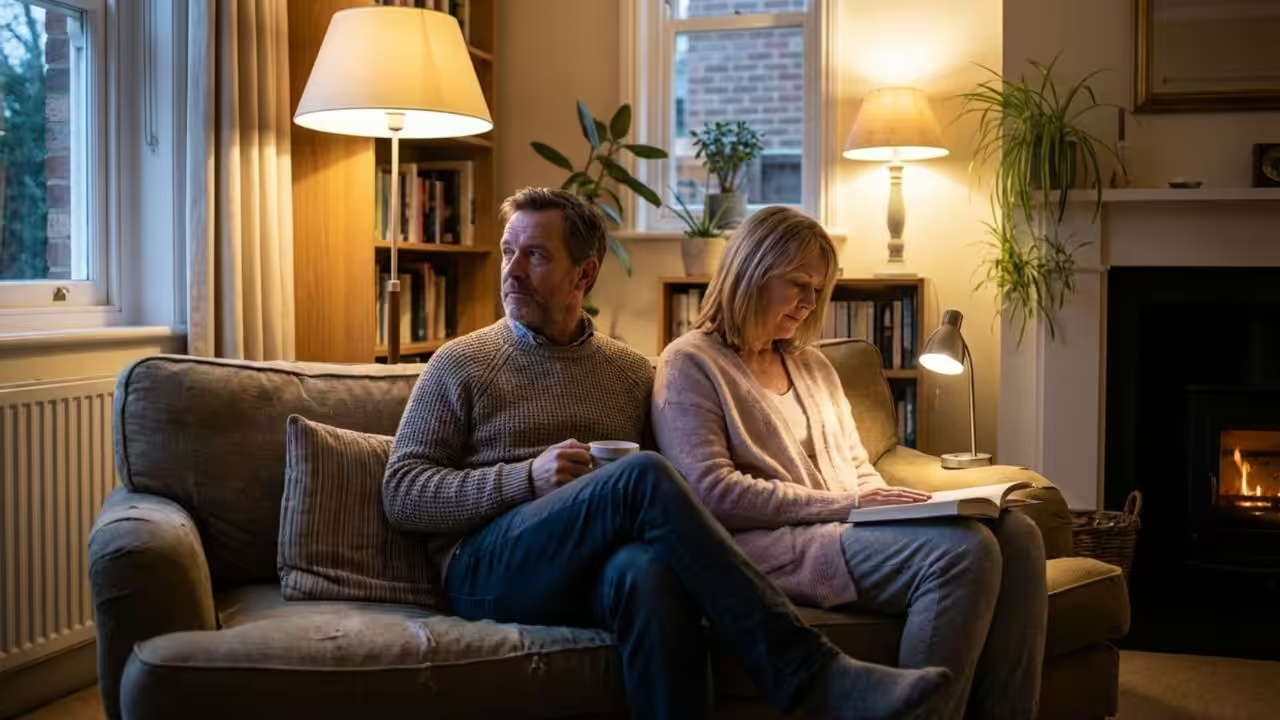
Marriage is often portrayed as a lifelong partnership sustained by enduring romantic love. Popular culture frequently emphasizes passion, emotional intensity, and the idea that romantic feelings should remain constant throughout decades together. Yet many long-term relationships evolve in ways that look very different from these expectations.
Some individuals who have been married for twenty or thirty years quietly acknowledge that the emotional tone of their relationship has changed. Romantic intensity may have faded over time, especially after years of raising children, managing responsibilities, and navigating the routines of everyday life.
Despite this shift, many couples choose to remain together and even describe their relationship as stable and meaningful. Instead of romantic excitement, their connection is built around familiarity, shared history, and a rhythm of life developed through decades of partnership.
Table of Contents
How Long-Term Relationships Naturally Change
Romantic relationships often pass through different phases as time progresses. Early stages tend to involve strong emotional intensity, novelty, and excitement. Over time, however, familiarity grows and daily routines begin to replace the initial unpredictability.
Psychologists often describe this transition as a shift from passionate love to companionate love. Passionate love emphasizes emotional intensity and attraction, while companionate love focuses on comfort, trust, and shared life experiences.
For many couples, this shift occurs gradually as responsibilities increase and priorities change. Careers, childcare, financial decisions, and household management often become central parts of daily life.
The Impact of Raising Children
Parenthood significantly alters the structure of many marriages. When children arrive, attention naturally shifts toward caregiving, education, and family stability. Time that once belonged entirely to the couple becomes divided among multiple responsibilities.
During these years, emotional energy is often directed toward ensuring the well-being of the family as a whole. Romantic expression may become less frequent simply because daily schedules are full.
While some couples later rediscover romantic elements after children become independent, others find that their relationship has settled into a more practical partnership built around cooperation and familiarity.
The Comfort of Shared Rhythm
One of the strongest forces keeping long marriages intact is the rhythm couples build over time. Shared routines—such as morning coffee, evening conversations, or weekend habits—create a predictable environment that many people find deeply comforting.
This rhythm can become a quiet form of connection. Even when romantic intensity fades, the sense of stability created by decades of shared experiences can feel meaningful.
For some individuals, the familiarity of these routines provides emotional security that outweighs the desire for dramatic change.
Why Some Couples Choose Stability
Ending a long-term relationship often involves emotional, social, and practical consequences. Couples who have spent decades together typically share homes, financial plans, social circles, and family connections.
Because of these intertwined lives, many individuals carefully consider whether pursuing new romantic experiences would truly bring greater happiness.
For some, the conclusion is that maintaining the existing partnership offers more stability and comfort than starting over.
Redefining What Love Looks Like
The word “love” can carry different meanings depending on the stage of a relationship. In early romance, love may be associated with excitement, attraction, and emotional intensity.
In long marriages, love often takes on quieter forms. Acts of care, loyalty, and mutual support become the primary expressions of commitment.
Cooking meals, managing household responsibilities together, or supporting each other during health challenges can become powerful demonstrations of affection even if they do not resemble traditional romantic gestures.
The Role of Personal Expectations
How individuals interpret the evolution of their marriage often depends on personal expectations about relationships. Those who believe romantic passion must remain constant may view emotional changes as a sign of failure.
Others may interpret the same changes as a natural stage of partnership. For them, a stable relationship built on trust and cooperation represents success rather than decline.
These differing perspectives highlight how cultural narratives about romance can influence how people evaluate their own relationships.
The Value of Shared History
One of the most significant aspects of long marriages is the depth of shared history. Couples who have spent decades together have witnessed each other’s personal growth, successes, and challenges.
They have navigated life transitions such as career changes, raising children, caring for aging relatives, and managing unexpected events.
This history creates a bond that is difficult to replicate in new relationships. For many couples, that shared past becomes an important reason to continue moving forward together.
When Relationships Become Partnerships
In some marriages, the emotional center of the relationship gradually shifts toward partnership rather than romance. Decisions are made collaboratively, responsibilities are divided, and daily life is managed through cooperation.
While this dynamic may appear less dramatic than early romantic phases, it often provides long-term stability.
Partnership-based relationships can offer reliability and mutual respect, qualities that many individuals value deeply after years of shared experience.
Long marriages rarely remain exactly as they were in the beginning. Emotional intensity, responsibilities, and priorities change as couples move through different stages of life.
For some individuals, the fading of romantic passion does not mean the relationship has lost its value. Instead, the connection transforms into a partnership built on trust, familiarity, and shared history.
In these relationships, love may no longer look like it did in the early years, but the quiet stability of decades together can still hold profound meaning.