
Many people grow up believing that retirement represents the reward for decades of work. It is often imagined as a time when financial security, free time, and good health finally allow individuals to enjoy the life they spent years building. Yet for some families, the reality of retirement looks far different from what they expected.
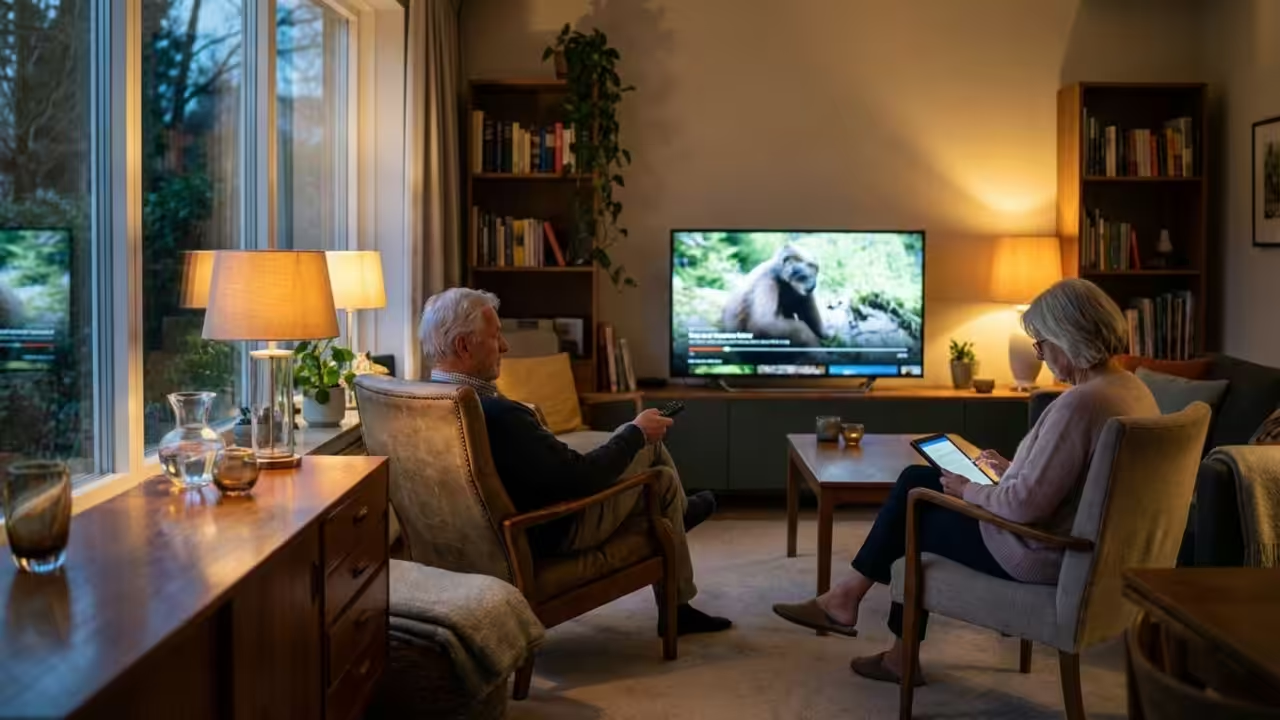
A growing number of adults say they have watched their parents reach retirement with stable finances, a paid-off home, and no major health problems, only to gradually settle into routines dominated by screens and quiet separation. Instead of traveling, exploring hobbies, or spending time together, some couples slowly begin living parallel lives inside the same house.

This experience has led many younger adults to question what retirement truly means and how easily comfort and routine can replace connection and curiosity if people are not intentional about how they spend their time.
Table of Contents
The Traditional Promise of Retirement
For decades, retirement has been portrayed as a milestone that marks the end of long working years and the beginning of personal freedom. Financial planning advice often focuses on saving enough money to support this stage of life.
Many individuals enter retirement believing that once work responsibilities disappear, they will naturally begin enjoying the activities they postponed earlier in life. Travel, hobbies, learning new skills, and spending more time together are commonly imagined parts of this new chapter.
However, the transition from structured work life to unstructured free time can be more complicated than expected. Without clear routines or goals, some retirees gradually settle into passive habits that fill the hours without providing much fulfillment.
How Digital Habits Fill Empty Time
One of the most noticeable shifts in modern retirement lifestyles is the increasing role of digital devices. Smartphones, tablets, and televisions offer endless streams of information, entertainment, and social media content.
For retirees who suddenly have long stretches of free time, these devices can become a convenient way to pass the day. Scrolling through news feeds, watching videos, or browsing social media requires little effort and provides constant stimulation.
Over time, these habits can slowly replace other activities that once seemed exciting. Instead of planning outings or starting new projects, people may find themselves spending increasing amounts of time in front of screens simply because it is easy.
The Quiet Drift Between Partners
Another pattern some families observe is that couples who once shared busy working lives may slowly drift into separate routines after retirement. Without the structure of work schedules or shared responsibilities, partners sometimes begin spending more time alone.
One person might watch television in one room while the other scrolls through a phone or tablet in another. Conversations that once revolved around work, colleagues, and daily experiences become less frequent as each person develops independent habits.
This shift does not necessarily indicate conflict or unhappiness. Instead, it often reflects how easily passive routines can replace shared activities when couples do not intentionally create new ways to spend time together.
Why Retirement Can Feel Unexpectedly Empty
Many retirees spend decades focusing on career goals and family responsibilities. These commitments provide daily structure and a clear sense of purpose.
When those responsibilities disappear, individuals may find themselves facing large amounts of unstructured time. Without new goals or projects, this sudden freedom can feel less exciting than anticipated.
Psychologists sometimes describe this stage as an identity transition. Work roles that once defined a person’s daily life are gone, and new roles must be created to replace them.
The Importance of Intentional Living
Experts who study aging and retirement often emphasize that meaningful retirement requires planning beyond financial savings. Emotional fulfillment, social engagement, and intellectual curiosity all play important roles in long-term well-being.
Retirees who actively choose how to spend their time often report higher satisfaction. Activities such as volunteering, learning new skills, traveling, or participating in community groups can provide structure and purpose.
Intentional living helps prevent the slow drift into passive habits that many people worry about when they imagine their own future retirement.
Lessons Younger Generations Are Learning
Watching parents navigate retirement can shape how younger adults think about their own future. Many people say they have begun questioning the idea that financial security alone guarantees happiness later in life.
Some younger adults are now placing greater emphasis on maintaining hobbies, friendships, and interests throughout their working years rather than postponing them until retirement.
These observations highlight an important lesson: the habits people build during their working years often continue into retirement unless they consciously choose to change them.
Redefining What a Good Retirement Looks Like
The image of retirement is evolving as people live longer and technology becomes more integrated into daily life. While financial preparation remains essential, many individuals now recognize that emotional and social preparation are equally important.
Creating routines that include movement, social interaction, and meaningful projects can help retirees maintain a sense of engagement with the world around them.
Retirement does not automatically create purpose. Instead, it offers the opportunity to design a life that reflects personal interests and values.
Watching parents settle into quiet digital routines after retirement can be a powerful moment of reflection for younger generations. It reveals how easily comfort and convenience can replace curiosity and connection when people stop actively shaping their days.
Retirement has the potential to be a deeply fulfilling stage of life, but it often requires intentional choices about how time is spent. For many families, observing these patterns becomes a reminder that meaningful living is not something that begins after work ends—it is something that must be practiced throughout life.