
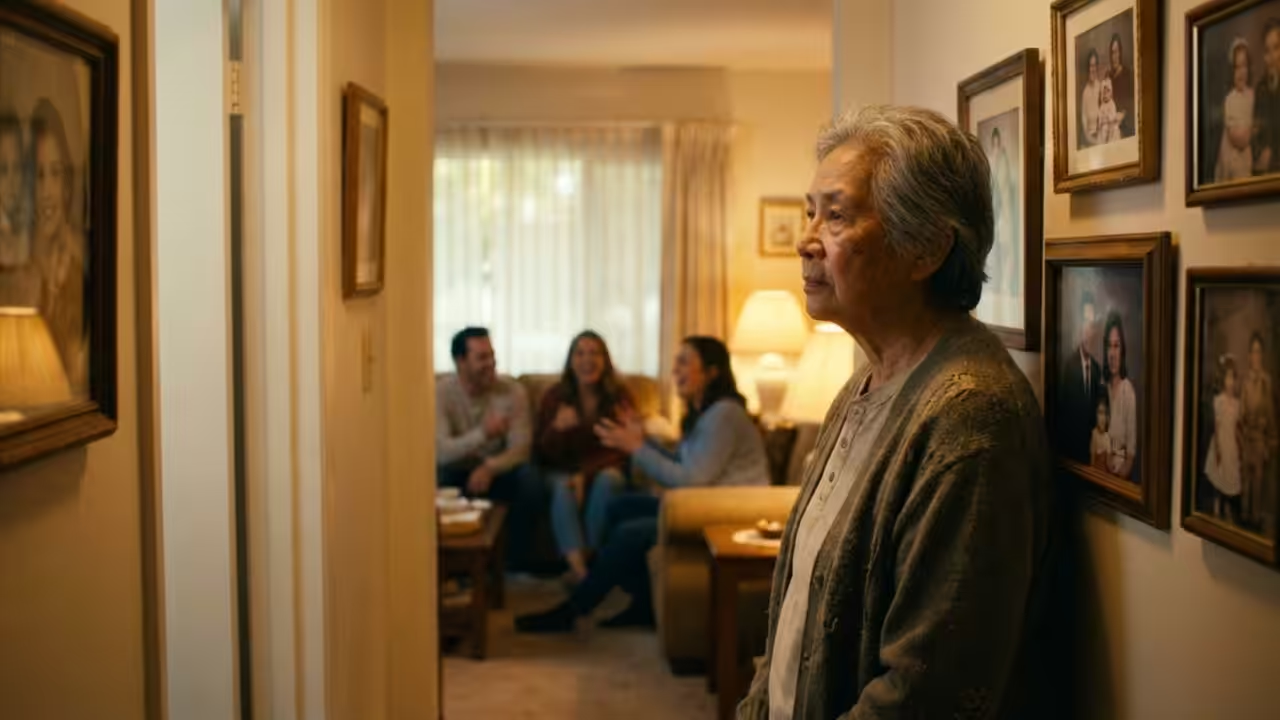
For many parents, the role of caregiver and protector lasts for decades. From childhood through adulthood, parents often see themselves as the stable foundation in their children’s lives. They provide guidance, solve problems, and remain the dependable presence that younger family members rely on.
However, as time passes and parents grow older, this dynamic gradually shifts. Adult children begin to recognize the aging process in their parents, sometimes noticing physical changes, slower movement, or reduced energy. The realization often happens quietly rather than through a single dramatic event.
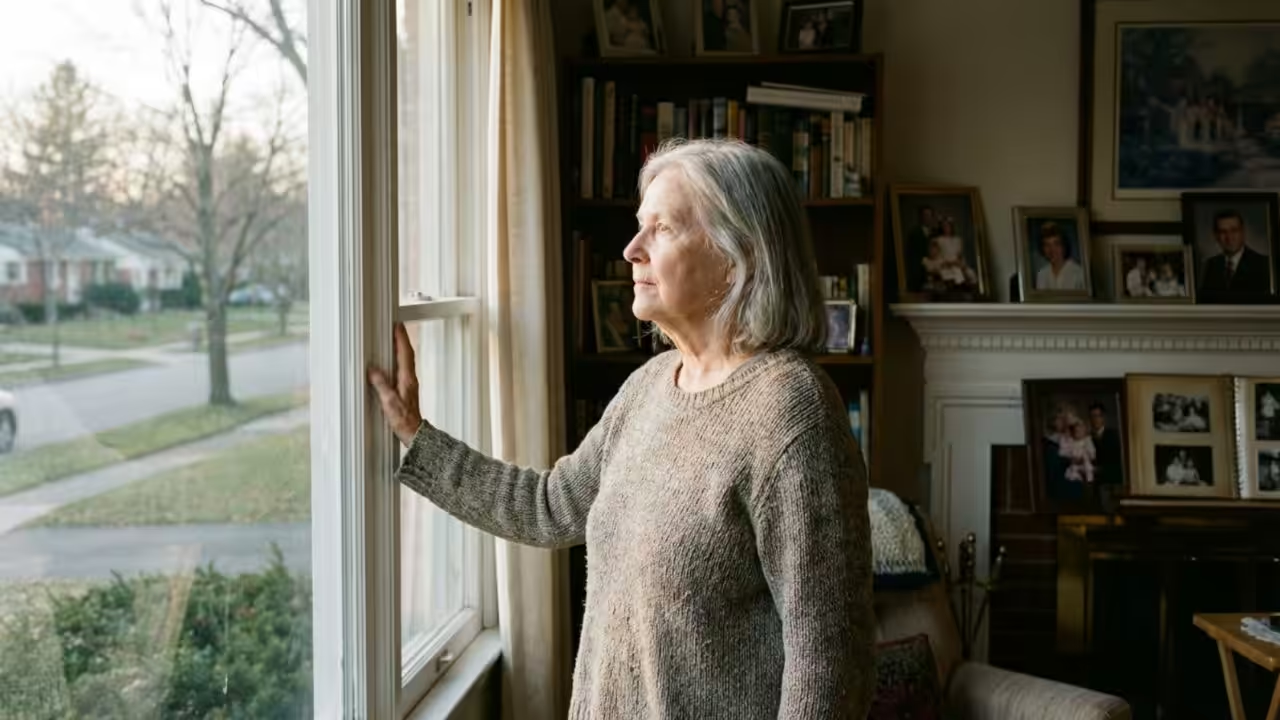
For some parents, the emotional impact becomes clear during an unexpected moment—such as overhearing their children discussing plans to spend more time together while they still can. In that instant, the familiar family roles begin to reverse.
Table of Contents
The Gradual Awareness of Aging
Aging rarely announces itself suddenly. Instead, it often appears through subtle changes that accumulate over time. Parents who once seemed energetic and tireless may begin to move more slowly or show signs of fatigue during long activities.
For adult children, noticing these changes can trigger a new perspective. The people who once felt permanent and strong begin to appear more vulnerable.
This realization can create a quiet sense of urgency. Children who once assumed unlimited time with their parents may begin thinking about how to make the most of the years ahead.
A Shift in Family Roles
Family relationships evolve throughout life. In early years, parents are responsible for protecting and guiding their children. As those children grow older, the direction of care slowly begins to change.
Adult children may start helping with practical tasks, offering advice about health decisions, or organizing family events that ensure everyone spends time together.
This shift does not necessarily mean parents lose their authority or independence. Instead, it reflects a natural stage of life in which relationships become more balanced and mutual.
Hearing the Conversation
Sometimes the emotional impact of aging becomes clear through an ordinary conversation. A parent might overhear their children discussing plans for a family trip or special gathering.
The intention behind these plans is often loving. Adult children may want to create meaningful experiences while their parents are still healthy enough to enjoy them.
Yet hearing these words can trigger powerful emotions for the parent. It can mark the moment when they realize their children now see them as someone whose time may be limited.
The Emotional Complexity of the Moment
This realization often brings mixed feelings. On one hand, parents may feel deeply touched that their children care enough to plan special time together.
At the same time, the conversation can highlight the reality of aging in a way that had not previously felt so direct. The parent may suddenly recognize that their children are thinking about the future in ways that include the possibility of decline.
Such moments can feel both loving and bittersweet.
Recognizing the Value of Time
Experiences like these often encourage families to think more intentionally about how they spend time together. Everyday routines can easily overshadow opportunities for meaningful connection.
When families acknowledge that time is finite, they may begin prioritizing shared experiences more actively. Celebrations, vacations, and simple gatherings take on greater significance.
These moments become part of the family’s collective memory and strengthen relationships across generations.
Changing Perspectives for Parents
For parents themselves, overhearing such conversations can inspire reflection about how they want to spend the coming years. Instead of focusing on the discomfort of aging, some choose to embrace opportunities for connection and travel.
The awareness that children want to create memories together can be a reminder of how meaningful family bonds remain even after roles change.
Rather than viewing the shift as a loss of independence, some parents see it as a new phase of closeness.
The Importance of Shared Experiences
Shared experiences often become the foundation of lasting family memories. Trips, celebrations, and even simple dinners can create moments that family members remember for years.
When adult children plan these events with their parents, they are often trying to preserve connection across time. These experiences help strengthen relationships not only between parents and children but also between siblings and extended family.
The effort to create these memories reflects a desire to honor family relationships before circumstances change.
Accepting Life’s Natural Transitions
Every family eventually experiences the transition from youth to adulthood and from adulthood to aging. While these stages can bring emotional challenges, they also provide opportunities for deeper understanding between generations.
Parents who once guided their children through life may find themselves being supported in return. This reciprocity is a natural part of family evolution.
Recognizing this cycle can help both parents and children approach these moments with compassion and appreciation.
The moment when a parent realizes their children now see them as aging can be deeply emotional. What begins as a simple conversation about a family trip can suddenly reveal how roles have changed over time.
Yet within that realization lies a powerful expression of love. Adult children who plan experiences with their parents are often motivated by gratitude and a desire to spend meaningful time together.
These moments remind families that while time moves forward, the bonds between generations continue to shape the memories and experiences that define a shared life.