
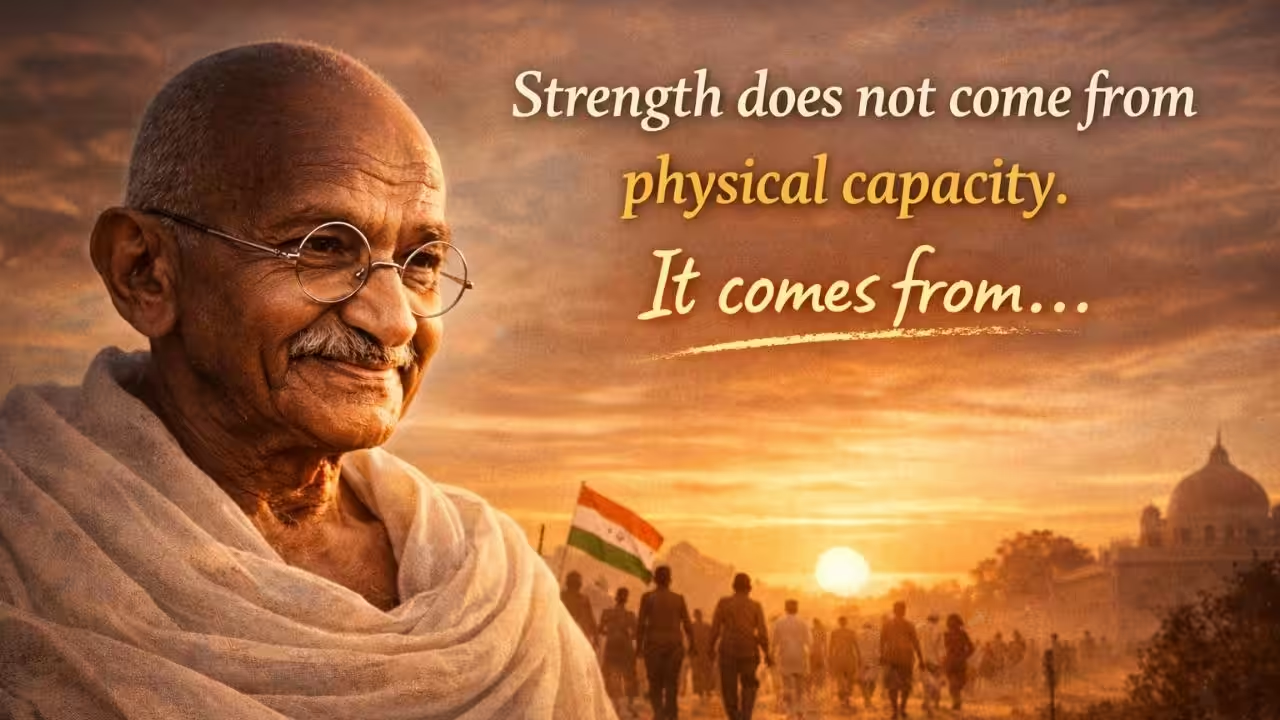
The statement, “Strength does not come from physical capacity. It comes from an indomitable will,” is attributed to Mahatma Gandhi and appears in his later writings. Its central idea is simple but profound: human power is not defined by muscles, weapons, or outward force, but by inner firmness of purpose and moral stability.
Gandhi consistently separated physical power from inner strength. In his view, physical ability can weaken with age or circumstance, but determination rooted in conscience and self-control can remain steady. This concept formed the backbone of his philosophy of nonviolent resistance.

From a factual perspective, Gandhi used this principle to explain why communities without military or political dominance could still bring about change. He believed that discipline of thought and action was more reliable than dependence on physical might.
Table of Contents
Historical Background of the Quote
This idea took shape during India’s struggle against British colonial rule. The political and military balance strongly favored the colonial administration, yet Gandhi argued that true resistance could still succeed through collective will and moral unity.
In journals such as Harijan and in his collected essays, he repeatedly wrote that oppressed groups could exert influence by remaining organized, patient, and committed to nonviolence. His concept of satyagraha, meaning adherence to truth, was built on the belief that inner resolve was a practical force, not merely a spiritual one.

Historical evidence from campaigns such as the Salt March and civil disobedience movements shows that sustained commitment, rather than physical confrontation, sustained these efforts through long periods of hardship.
Relevance in the Modern World
Today, people often measure strength through wealth, authority, or physical dominance. Gandhi’s message challenges this assumption by placing psychological endurance and ethical consistency at the center of true power.
This quote is often used in schools, leadership training, and social development programs because it shows a universal truth: long-term success depends more on steady intention and disciplined behavior than on short bursts of effort. Modern behavioral research also supports this idea, showing that perseverance and clarity of values are key contributors to lasting achievement.

The quote remains relevant because it speaks to situations in which individuals or groups face resource constraints but still seek meaningful progress.
Selected Quotes That Reflect Gandhi’s Philosophy
Several well-known statements attributed to Gandhi express similar principles of responsibility, harmony, and moral courage:
- “Be the change that you wish to see in the world.”
- “The best way to find yourself is to lose yourself in the service of others.”
- “An eye for an eye only ends up making the whole world blind.”
- “Happiness is when what you think, what you say, and what you do are in harmony.”
- “Strength does not come from physical capacity. It comes from an indomitable will.”
Together, these quotes reinforce his belief that personal character and inner discipline are the foundations of social transformation.
Practical Application in Daily Life
Individuals can apply Gandhi’s words by prioritizing consistency over intensity. Progress in study, health, or personal goals depends more on regular effort and self-control than on occasional bursts of motivation.
In professional and community environments, this idea translates into ethical leadership and long-term responsibility. Research in organizational behavior consistently shows that perseverance and integrity have a greater impact on sustainable outcomes than short-term strategies driven solely by competition or coercion.
The principle also encourages people to face setbacks with patience, viewing challenges as tests of resolve rather than reasons to abandon purpose.
A Message with Lasting Value
Gandhi’s quote continues to matter because it defines strength in human and measurable terms: determination, discipline, and moral courage. His life offers historical proof that these qualities can influence entire societies without reliance on physical power.
Carrying this message forward means recognizing that real change often emerges from steady conviction and thoughtful action. Throughout history and into the present, inner strength has proven capable of shaping outcomes even when external power appears overwhelming.