

Many parents expect that when their children grow up and build their own lives, distance will naturally limit how often they see each other. What can feel more surprising is when adult children live close by but rarely visit.
For some older adults, this experience creates a complicated mix of emotions. It is not simply about loneliness. Often, the deeper realization is that proximity does not guarantee connection.

The dynamic between parents and adult children evolves over time. Understanding how relationships shift across generations can reveal why physical closeness does not always translate into emotional closeness.
Table of Contents
Changing Family Structures
Modern family life looks very different from previous generations. Adults today often juggle demanding careers, childcare responsibilities, and complex schedules that leave little time for extended family visits.
Even when parents live only a short distance away, the routines of everyday life can make regular visits difficult. Weekends may be filled with errands, children’s activities, or time needed for rest.
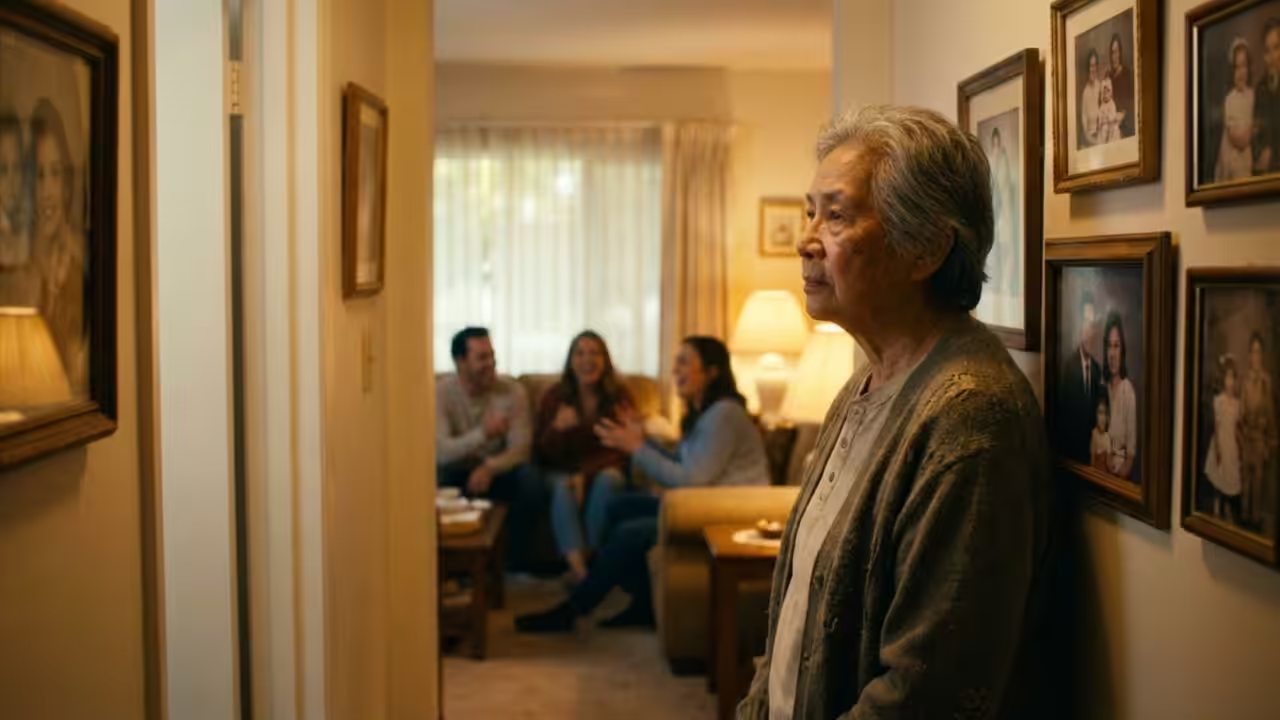
While these changes reflect broader social shifts, they can still be painful for parents who remember a time when family gatherings were more frequent and predictable.
Expectations Built During Childhood
Many parents spend years raising their children with the belief that closeness will continue into adulthood. They may assume that living nearby means frequent dinners, visits, and shared moments.
However, adult relationships often operate differently. Independence becomes a central value, and adult children may see physical distance—even small amounts of it—as part of maintaining their own household routines.
The gap between expectations and reality can create emotional tension. Parents may interpret fewer visits as rejection, while adult children may see it simply as part of managing busy lives.
The Emotional Complexity of Proximity
When children live far away, the distance provides an obvious explanation for infrequent visits. But when they live nearby, the situation can feel more personal.
Parents may wonder why a short drive does not translate into regular contact. The question becomes less about geography and more about perceived priorities.
This can create moments of quiet reflection in which parents reconsider the assumptions they held about family closeness throughout their children’s upbringing.
How Relationships Shift Over Time
As families age, relationships often move from dependency to independence. Children who once relied on their parents for guidance eventually build their own support systems.
Friendships, partners, and professional communities often become central parts of adult life. While family remains important, it may no longer occupy the same daily role it once did.
These shifts can feel like a natural evolution to one generation while feeling like a loss to another.
Understanding Different Forms of Connection
Not all relationships rely on frequent visits. Some families maintain strong emotional bonds through phone calls, text messages, or occasional gatherings.
For some parents, learning to appreciate these alternative forms of connection can help reduce feelings of disappointment. Communication styles evolve just as lifestyles do.
Recognizing these new patterns can help families redefine what closeness looks like in adulthood.
Finding Meaning Beyond Expectations
Many parents eventually discover that adjusting expectations can bring a sense of emotional freedom. Rather than focusing on how often visits occur, they may choose to invest energy in friendships, hobbies, or community involvement.
This shift does not diminish the importance of family relationships. Instead, it reflects a broader understanding that meaningful lives often include multiple sources of connection.
By building fulfilling routines outside the parent-child relationship, older adults can maintain emotional balance even when family interactions change.
The experience of living close to adult children who rarely visit highlights how family relationships evolve across generations. Physical proximity does not always guarantee frequent contact, especially in modern lifestyles shaped by demanding schedules and shifting priorities.
Understanding these changes can help parents view the situation with greater perspective. While expectations formed during childhood may not always carry into adulthood, meaningful connections can still exist in new and unexpected forms.