
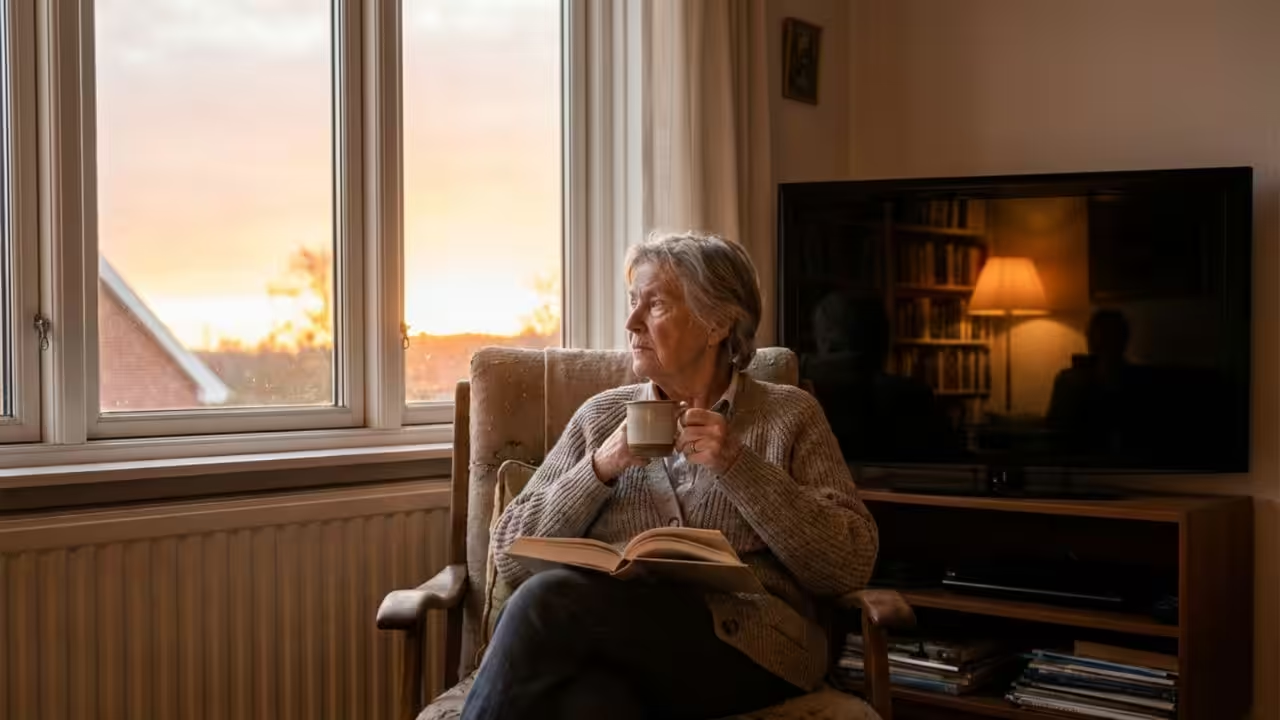
For many people, retirement is imagined as a period filled with freedom and personal choice. After decades of work routines and responsibilities, the idea of finally controlling one’s own schedule can feel deeply appealing. Yet the reality of retirement often unfolds differently than expected.
Some retirees discover that the absence of structured workdays can slowly lead to unintentional routines. Evenings that once had clear boundaries—after work dinners, family conversations, or planned activities—can gradually dissolve into hours of passive entertainment.
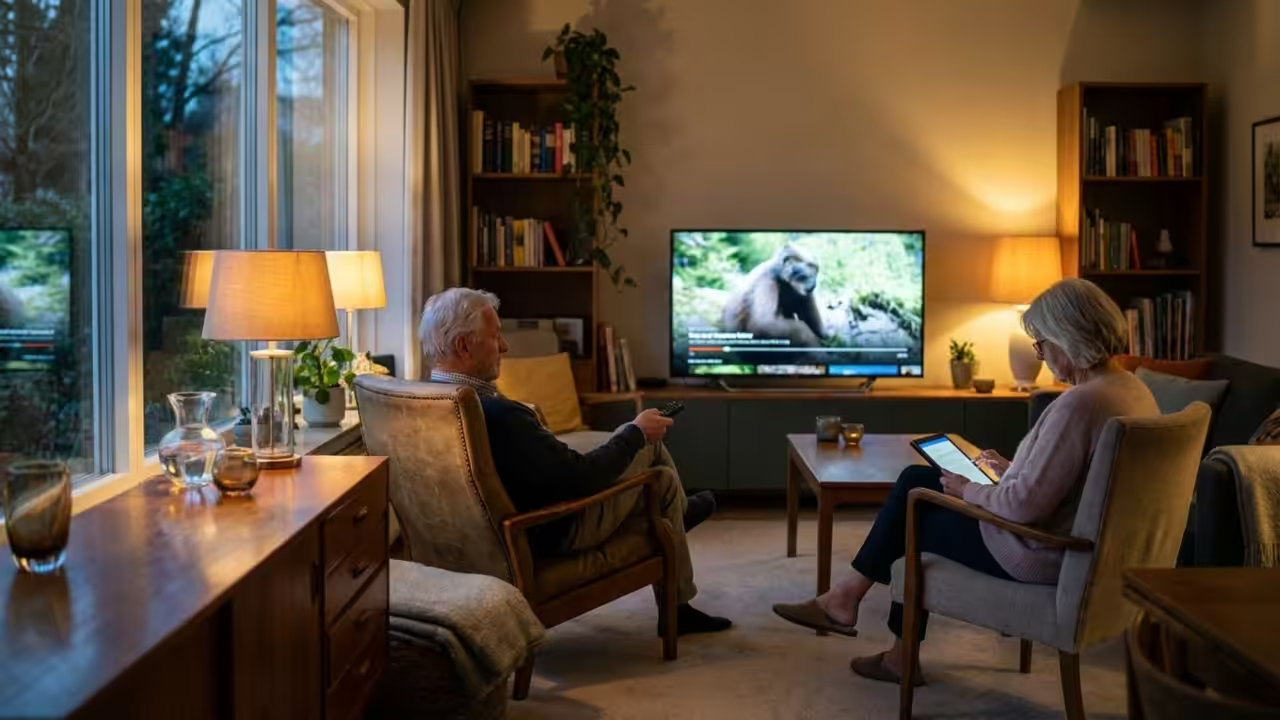
For individuals who watched previous generations spend their retirement years in front of television screens, this realization can be particularly striking. The moment of noticing how easily time slips by often becomes the turning point when people decide to actively shape how they spend their days and evenings.
Table of Contents
The Pattern Many Retirees Recognize
A common observation among retirees is how quickly evenings can become predictable. Without the need to wake up early for work, the pressure to manage time disappears. While this freedom can feel relaxing at first, it can also remove the natural rhythm that once structured daily life.
Television, streaming platforms, and digital devices provide an effortless way to fill these hours. What begins as a short period of relaxation after dinner can easily extend into several hours of passive viewing.

Over time, some retirees begin to notice that these routines closely resemble the habits they once observed in older family members. The realization can be both surprising and uncomfortable, especially for those who once believed their retirement would look very different.
Why Evenings Matter More Than People Expect
Evenings often hold a unique place in daily life. For many working adults, the evening hours represent the limited time available for personal interests, social interaction, or relaxation.
When retirement begins, those hours suddenly expand. Instead of being a small portion of the day, evenings become part of a much larger block of free time.
Because of this shift, how people spend their evenings can shape the entire experience of retirement. Passive habits can slowly dominate these hours unless retirees consciously create alternatives that provide stimulation, connection, or purpose.
The Influence of Habit and Convenience
Human behavior is strongly shaped by habit. Activities that require little effort tend to become default choices, especially when they provide immediate comfort.
Television and digital media are designed to encourage extended engagement. Autoplay features, endless streaming libraries, and personalized recommendations make it easy to continue watching without making deliberate decisions.
In retirement, when schedules are flexible and responsibilities are fewer, these conveniences can quietly transform into daily patterns. Without noticing, people may begin structuring their evenings around entertainment rather than intentional activities.
The Moment of Awareness
Many retirees describe a particular moment when they suddenly become aware of how their evenings are unfolding. It might occur while switching channels late at night or realizing that several hours have passed without meaningful engagement.
For some individuals, this moment brings back memories of watching their own parents follow similar routines. The recognition can trigger reflection about whether they truly want their retirement to look the same.
This awareness often becomes the starting point for change. Instead of allowing routines to develop automatically, people begin asking how they want their evenings to feel.
Redefining What an Evening Can Be
Once retirees decide to be more intentional with their time, evenings can take on a very different character. Activities that once seemed too time-consuming during working years become possible again.
Some individuals return to hobbies they abandoned decades earlier, such as reading, painting, or learning musical instruments. Others begin attending community classes, joining clubs, or taking evening walks.
These activities not only provide mental stimulation but also create a sense of anticipation. When evenings include purposeful experiences, the day feels more complete and satisfying.
Social Connection in the Later Years
Evenings also offer valuable opportunities for maintaining social relationships. Retirement can sometimes reduce the amount of casual interaction people experience during the day, especially after leaving the workplace.
Planning dinners with friends, participating in group activities, or simply visiting neighbors can restore the social energy that many people miss after retirement.
Regular interaction with others contributes to emotional well-being and helps prevent the sense of isolation that some retirees encounter when their social networks shrink.
The Role of Personal Choice
One of the most important aspects of retirement is the freedom to choose how time is spent. This freedom allows individuals to shape their lives in ways that reflect personal interests and values.
However, freedom alone does not guarantee fulfillment. Without deliberate choices, routines driven by convenience can gradually take over.
By consciously deciding how to spend their evenings, retirees can transform this stage of life into a period of exploration, learning, and connection rather than passive repetition.
A Different Vision of Retirement
The traditional image of retirement often centers on relaxation and rest. While rest remains important, many retirees now view this stage as an opportunity to remain active and engaged with the world.
Even small changes—such as reading before bed instead of watching television or taking evening walks—can alter the rhythm of daily life.
Over time, these choices shape the overall experience of retirement. Rather than allowing time to disappear quietly, retirees who make intentional decisions often find greater satisfaction in how their days unfold.
Retirement offers a rare opportunity to design life without the constraints of work schedules. Yet the freedom it provides can easily slip into routine if people do not actively choose how they want to spend their time.
For many retirees, the realization that evenings were quietly disappearing into passive habits becomes the moment when they begin making different choices. By approaching retirement with intention rather than habit, individuals can create a life that remains curious, connected, and meaningful.